
In partnership with Westcotec and ARRM

In-depth thinking on the issues that matter most in road safety
Every month, Project EDWARD’s First Friday discussions bring together the people at the heart of road safety: researchers, police officers, campaigners, fleet professionals, and the families whose lives have been changed forever by what happens on our roads. Those conversations are candid, expert and often deeply moving – and they raise questions too important to leave in the room.
Road Safety Insight is where those questions get explored properly. Produced by ARRM, which manages Project EDWARD, each edition is an original, in-depth article – around 2,000 words – that takes a theme from a First Friday discussion and examines it in full: the evidence, the lived experience, and what it all means for the government’s Road Safety Strategy and its target to reduce those killed and seriously injured by 65% by 2035.
These aren’t news summaries or quick reads. They’re considered, referenced analyses designed to give road safety professionals something they can genuinely use – in their own work, their own organisations, and their own arguments for change.
Recent editions have examined why road crash victims are still being failed by the justice system and the case for restorative approaches; what “democratic” road use means for horse riders, cyclists and other vulnerable users; how real-time rural road data could unlock the strategy’s 65% target; and the hidden safety risk of deteriorating commercial driver health.
How to read Road Safety Insight
Each new article is published first for ARRM members, who read it a full month before anyone else. One month later, it moves to open access, free for everyone to read and share. So at any time you’ll find the latest deep-dive available exclusively to members, with a growing archive free to all.
If you took part in a First Friday discussion, this is how you go deeper – and being a month ahead is just one of the reasons to join.
Become an ARRM member — £50 a year
ARRM membership is £50 a year, and Road Safety Insight is only part of it. Members also enjoy early access to every new article, regional breakfast networking meetings with expert presentations, reduced delegate rates at full-day conferences, a library of recorded MasterClasses, and the right to use the professional post-nominals MARRM. A single conference discount or networking morning can be worth the membership fee on its own.
Our most recent Road Safety Insights

The driver nobody checks
Commercial driver health – the hidden safety risk behind the wheel
Every HGV gets a 20+ item safety check before it moves. Its driver may not have had a health check in 25 years. Drawing on Loughborough research and 120,000 annual driver medicals, this deep-dive reveals why younger drivers are now presenting worse than older ones – and what it means for the Road Safety Strategy.
🔒 Early access for ARRM members | Read Now
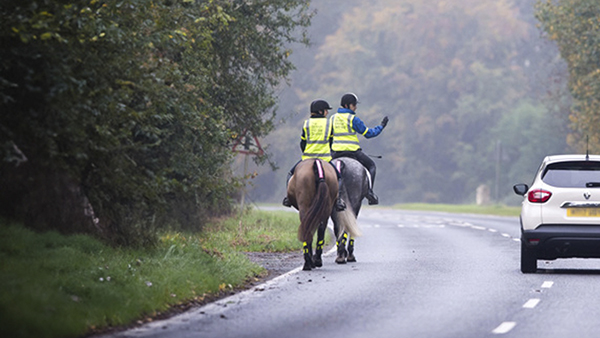
Whose road is it anyway?
Vulnerable road users and the case for democratic roads
Ten years into the Dead Slow campaign, horses are still dying on our roads and equestrians still feel written out of the conversation. This edition explores what “democratic” road use really means for horse riders, cyclists and every user pushed to the margins – and what the Road Safety Strategy must deliver.
✅ Free to read | Read Now

Why road crash victims are still being failed
Victim-focused justice and the missing piece in roads policing
For bereaved families, the collision is only the beginning. This deep-dive examines the postcode lottery in family support, the disparity between how road deaths and other homicides are investigated, and the largely untapped potential of restorative justice in roads policing.
✅ Free to read | Read Now

How real-time rural road data could unlock the strategy’s 65% target
Turning rural risk into measurable action
Most serious rural collisions happen on roads we know almost nothing about in real time. This edition explores how live data could transform how we identify and treat rural risk – and why it may be central to hitting the government’s 65% casualty-reduction target.
✅ Free to read | Read Now
